Selecting the Perfect Asphalt Contractor for Your Paving Project
Selecting an appropriate paving professional is crucial for the achievement of any asphalt work. A contractor's credentials, experience, and reputation can greatly influence the quality of work. similar resource Comprehending the essential services they offer and posing the right questions can clarify their reliability. Nevertheless, maneuvering through estimates and identifying warning signs can be difficult. What criteria should one prioritize to guarantee a favorable outcome?
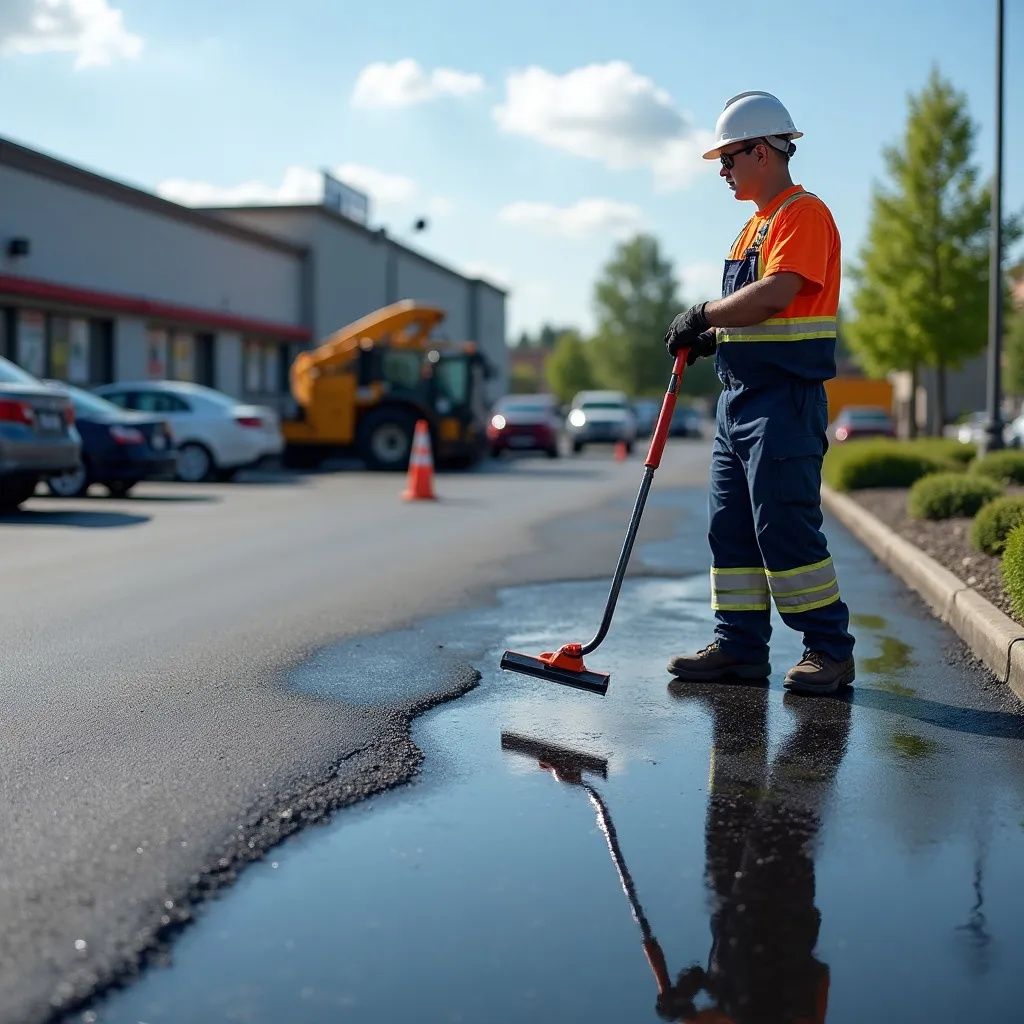
Why Choosing the Correct Asphalt Contractor Makes a Difference
Finding the right paving professional is necessary for promoting the longevity and caliber of pavement projects. The selection of firm can markedly shape the resilience and output of the paved surface. A proficient expert grasps the intricacies of asphalt installation, highlighting suitable groundwork, quality selection, and application techniques. This skill curtails the exposure of premature wear, fissuring, and other issues that can stem from subpar workmanship.
Furthermore, a reputable contractor generally follows professional guidelines and utilizes premium materials, which enhance the overall success of the project. Engaging the appropriate professional also promotes clear dialogue, guaranteeing that the client's particular requirements and goals are met. Ultimately, investing time in choosing a skilled paving professional can lead to substantial long-term cost savings and improve the visual quality and functionality of the pavement surface. Therefore, this decision is pivotal for any pavement project's success.
What Attributes Must Your Asphalt Contractor Exhibit?
What vital credentials should an asphalt contractor acquire to guarantee a successful project? A reputable asphalt contractor should possess the necessary licenses and certifications required by local regulations. These credentials verify compliance with industry requirements and local statutes. Moreover, financial stability is important; a contractor must be able to maintain operations throughout the project, ensuring timely completion.
Knowledge of multiple pavement methods and experience with different materials are crucial, as they directly influence the quality of work produced. Understanding of safety protocols and correct tool operation is also important for protecting both workers and clients.
Furthermore, a robust understanding of project management principles can assist in effective scheduling and budget management. Finally, excellent interpersonal abilities are essential for handling customer issues and guaranteeing that expectations are met. These qualifications collectively contribute to the total achievement and satisfaction of a paving project.
Assessing Your Paving Service Provider's Expertise and Reputation
What methods can someone use to properly assess an asphalt contractor's credentials and standing? Initially, prospective clients should review the contractor's portfolio, which highlights previous assignments and illustrates their skill level. Additionally, years in business often serve as an indicator of stability and expertise in the sector. Online reviews and testimonials from former clients can provide insights into the contractor's trustworthiness and construction quality.
Additionally, asking for references can yield firsthand accounts of customer satisfaction and project outcomes. Engaging with local trade associations or verifying certifications can more validate a contractor's professionalism and adherence to industry standards.
Finally, a strong reputation in your area—demonstrated through repeat business and referrals—can be a telling sign of a contractor's dependability. Together, these elements create a comprehensive overview of an asphalt contractor's background and standing, assisting with informed decision-making.
Important Services Extended by Asphalt Contractors
A selection of essential solutions are commonly delivered by asphalt contractors, attending to both home and commercial needs. These services frequently feature asphalt paving, where contractors install fresh asphalt for driveways, parking lots, and roads. Additionally, they supply asphalt repair solutions, resolving cracks and potholes to boost durability and safety. Sealcoating is another essential offering, guarding asphalt surfaces from weather damage and extending their lifespan.
In addition, vendors may deliver grading and drainage solutions, safeguarding proper water flow and averting future deterioration. Surface marking is also incorporated, marking parking areas and traffic markings for superior organization and well-being. Some paving firms extend maintenance plans, which include regular inspections and upkeep to maximize the longevity of asphalt surfaces. By understanding these key services, property owners can determine appropriately when selecting an asphalt contractor for their paving endeavors.
Essential Questions to Discuss With Your Asphalt Contractor
When choosing an asphalt contractor, it is important to pose specific questions to determine their expertise and reliability. Questioning their experience and qualifications, as well as understanding the project timeline and costs, can furnish valuable insights. These key factors help confirm that the contractor can meet the project's demands effectively.
Track Record and Qualifications
Experience and qualifications are important when choosing an asphalt contractor. Potential clients ought to ask about the contractor's industry background, since a solid track record usually shows reliability and expertise. Requesting references from past projects is recommended so clients can judge the quality of work provided. Additionally, contractors must maintain proper licenses and certifications, proving adherence to industry standards and rules. Potential clients ought to evaluate any specialized training the contractor holds, especially for certain paving methods or materials. Understanding the contractor's experience with similar projects can provide insight into their ability to handle unique challenges. Ultimately, a qualified contractor will not only enhance the project but also guarantee long-term satisfaction.
Project Timeline and Costs
Grasping project timelines and pricing is important for customers choosing an asphalt contractor. Clients should ask about the projected duration of the project, involving preparation, paving, and curing times. Contractors should provide a clear schedule, specifying key milestones and potential delays. Clients should also request a detailed pricing breakdown, including materials, labor, and any additional fees. Grasping payment structures, such as deposits or financing options, is important for budgeting. It is wise for clients to evaluate quotes from multiple contractors to ensure transparency and fairness. Finally, discussing potential weather-related impacts on project timelines can help set realistic expectations, encouraging better communication and satisfaction throughout the paving process.
Examining Quotes and Fee Arrangements
Considering proposals and pricing structures from diverse asphalt contractors is vital for making an informed decision. When checking estimates, it is necessary to examine not only the cost total but also the division of elements, staff, and any added expenses. A budget-friendly quote may seem attractive, but it could reveal quality trade-offs or support.
Contractors commonly offer different pricing arrangements; some may charge by square footage, while others might propose flat rates. Grasping these variations can help clients evaluate the true worth of each proposal.
Additionally, clients should inquire about warranty coverage and maintenance programs, which can shape future expenses. It is wise to obtain comprehensive written estimates to guarantee honesty and promote valid evaluations. By closely scrutinizing these aspects, patrons can determine a vendor that suits their financial constraints and performance standards, ultimately leading to a successful paving project.
Caution Indicators to Notice When Bringing on an Asphalt Contractor
What markers should someone spot when engaging an asphalt contractor? Several danger signs can caution of trouble ahead. First, lacking proper licensing and insurance is a vital danger sign; professional contractors should willingly give this documentation. Furthermore, if a contractor quotes an extraordinarily low estimate, it may reveal substandard materials or workmanship.
A additional concern emerges when a contractor is unwilling to provide testimonials or a portfolio of past work, as this may suggest a absence of expertise or poor previous projects. Moreover, vague or ambiguous contracts can lead to misunderstandings and unforeseen costs down the line. Ultimately, aggressive sales tactics should raise doubts; reliable contractors will give clients time to reach decisions. By remaining alert and recognizing these warning signs, property owners can more effectively safeguard themselves from potential problems in their paving projects.
Common Asked FAQs
How long Does a Paving Project Take to Finish?
The timeframe of a pavement project generally ranges from a few days to numerous weeks, influenced by factors such as project size, environmental factors, and the contractor's proficiency in managing resources and timelines.
What Variety of Asphalt Materials Would You Recommend?
The contractor suggested implementing high-quality hot mix asphalt for effectiveness and longevity. Additionally, they proposed considering porous asphalt for ecological advantages, or cold mix asphalt for short-term fixes, based on the particular project requirements and conditions.
Are There Warranties Available for Your Services?
Many qualified asphalt contractors extend warranties on their work, safeguarding quality and durability. These warranties typically cover materials and workmanship, offering clients peace of mind and protection against potential issues arising after the project's completion.
Would you be able to deliver references from prior customers?
Yes, credible service experts typically give testimonials from former clients. This facilitates interested parties to determine the level of quality and customer approval, making certain they establish an educated determination before undertaking their pavement undertaking.
Finding the Ideal Time of Year for Paving
The best time for paving is usually during hot seasons, particularly late spring to early fall. This period ensures optimal thermal environments, allowing asphalt to set correctly and minimizing the potential of climate-related interruptions.